Sea Level Rise
The Humboldt Bay area is experiencing the fastest rate of relative sea level rise on the West Coast. That's because tectonic activity is causing the ground beneath the bay to sink at the same rate that the ocean is rising. According to the California Ocean Protection Council's 2024 Science & Policy Update, sea level in the Humboldt Bay area is expected to rise approximately 1.5-2 feet above 2000 levels by 2060 and 3.9-5.5 feet by 2100. The primary impacts from sea level rise are increases in flooding, erosion, and rising groundwater. Sea level rise will expand areas vulnerable to flooding during major storms, as well as in the rare but catastrophic event of a major tsunami. The term 100-year flood is used as a standard for planning, insurance, and environmental analysis. But these extreme storms are happening with increasing frequency, in part due to rising seas. Sea level rise will cause more frequent—and more damaging—floods to those already at risk and will increase the size of the coastal floodplain, placing new areas at risk to flooding. To view sea level rise scenarios for the Humboldt Bay area, visit NOAA's 2022 Sea Level Rise Viewer and go to the local scenario for the North Spit. NEW! Now you check out our interactive map of two sea level rise scenarios for the Humboldt Bay Area! Featured are scenarios showing 1- and 2-meters above Year 2000 water levels. For many years, these have been static maps with no simple way for the public to examine points of interest. Now, people wondering if their neighborhood is at risk can zoom in on locations and see street names, etc.
The Ocean Is Coming: King Tides Offer Preview of Rising Seas
Shoreline encroachment and upcoming king tides threaten Coast Guard Station's water line; Water district starts emergency pipeline relocation
It's King Tide Season!
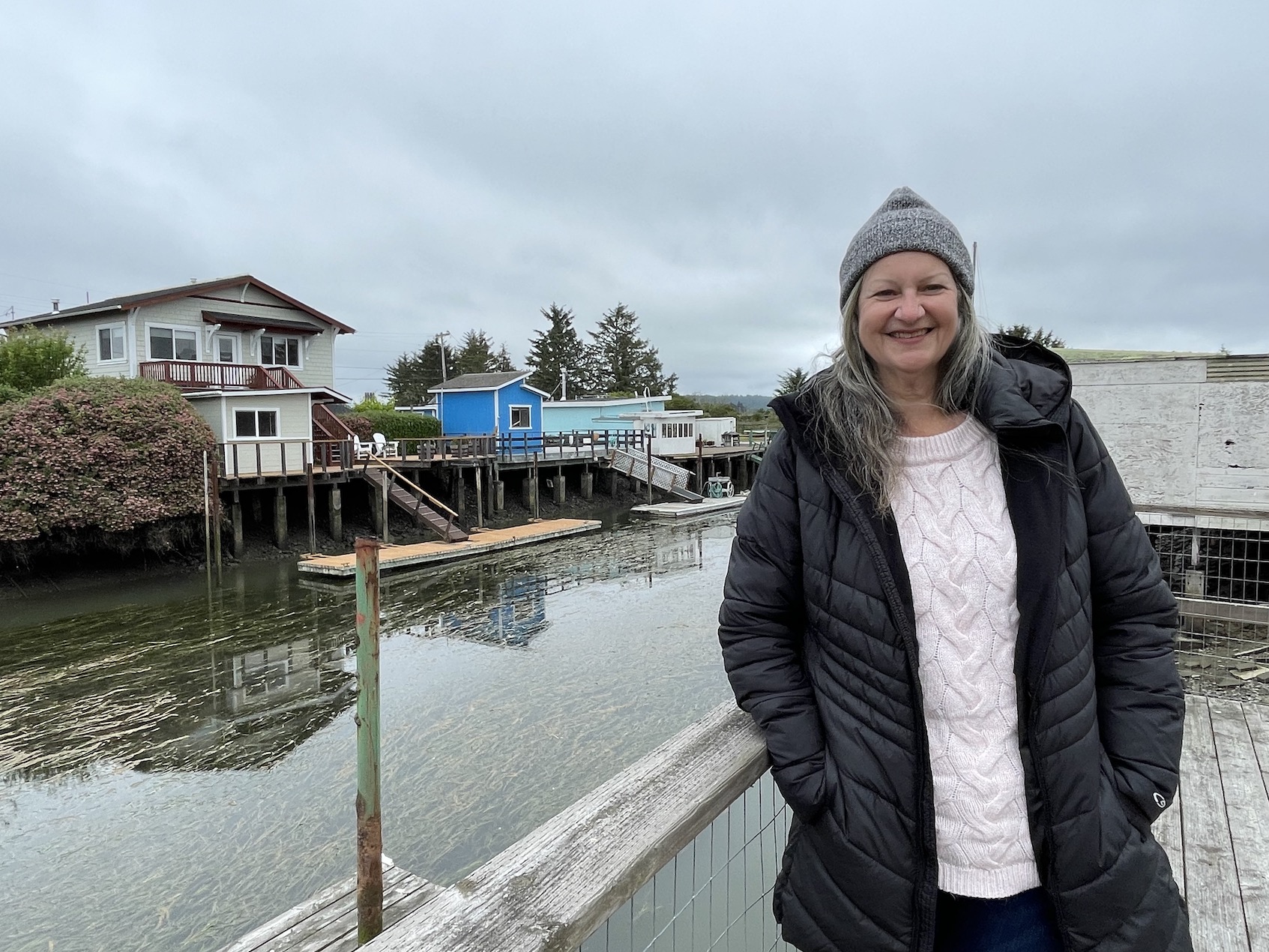 King Tides are here! Some very high tides are predicted on Nov. 6 & 7, although the highest tides of the year are expected in December & January. Last year, we released a special EcoNews Report series focused on communities at risk from sea level rise featuring interviews local experts and residents in the Humboldt Bay Area.This year, we are unveiling StoryMaps with photos and maps to visually explore each episode to help us better understand some of the challenges ahead for our most vulnerable communities.Episode 1: Is Humboldt Bay the Canary in the Coal Mine for Sea Level Rise? features Marnie Atkins, Jerry Rohde, Troy Nicolini, Adam Canter, and Nate Faith (left).
 New Research Investigates How Coastal Communities Can Break Down Silos to Fight Rising Seas Together
More Articles …